Manoj Gupta • MIG, Pune
Manoj Gupta • MIG, Pune
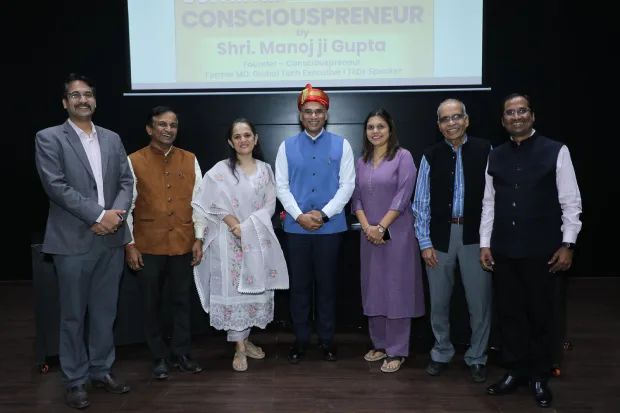
Purpose-Driven Conscious Leadership
A reflective session where Manoj Gupta shared deep insights on consciouspreneur, purpose-led growth, and the mindset young leaders need for the future.
Invite Manoj as a SpeakerKey Points Discussed
✔
Inner awareness
✔
business outcome
✔
Personal growth
✔
Purpose driven actions
✔
Conscious leadership
✔
Rich with money vs rich with mind — what truly matters
✔
Guiding young people toward clarity and purpose
✔
Balancing business life and spiritual life
✔
Role of science and technology in conscious growth
✔
How the outer material world influences inner purpose
✔
History of the industrial revolution & cultural shifts
✔
What defines a true leader today
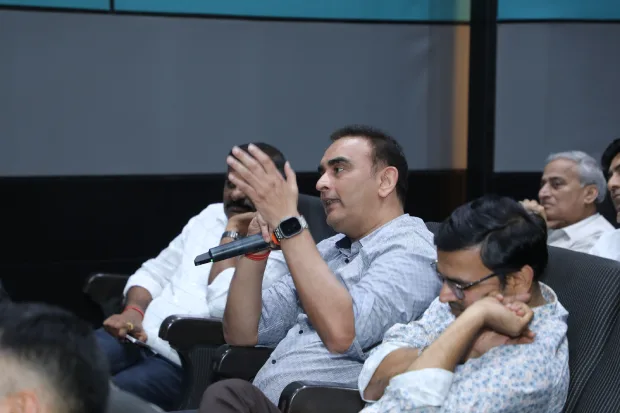
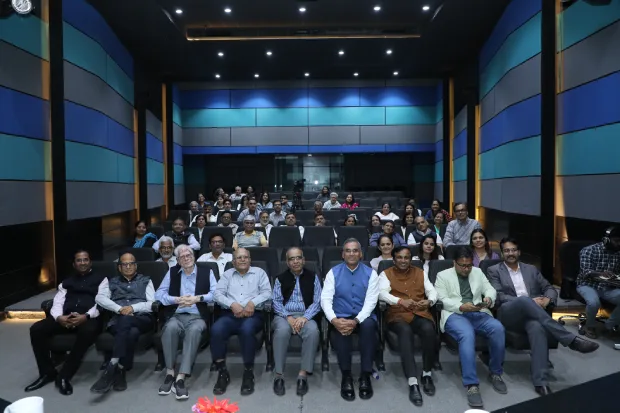
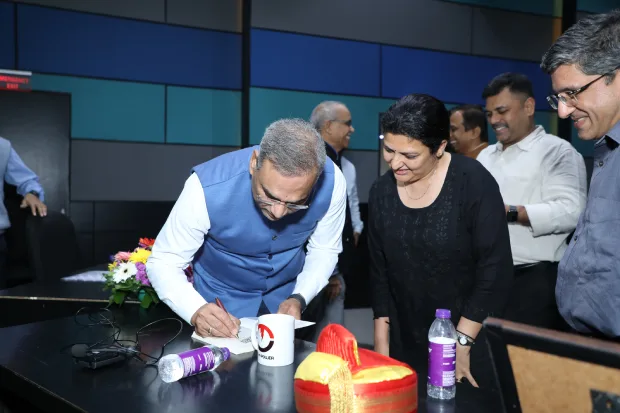
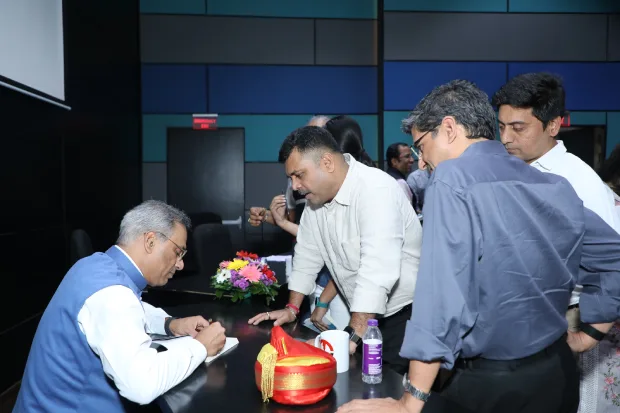
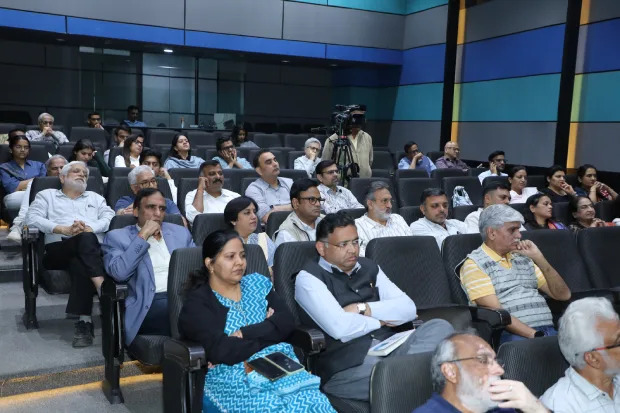
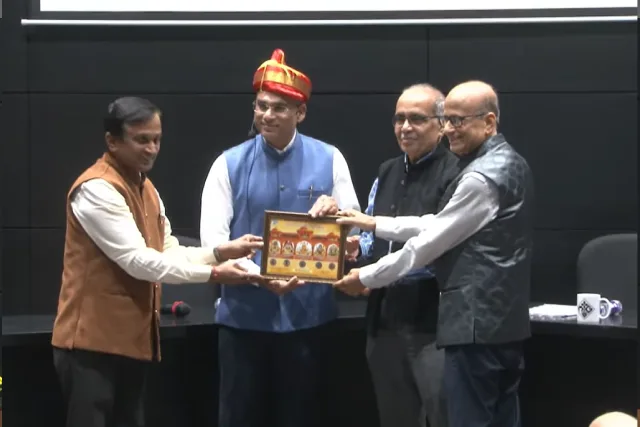
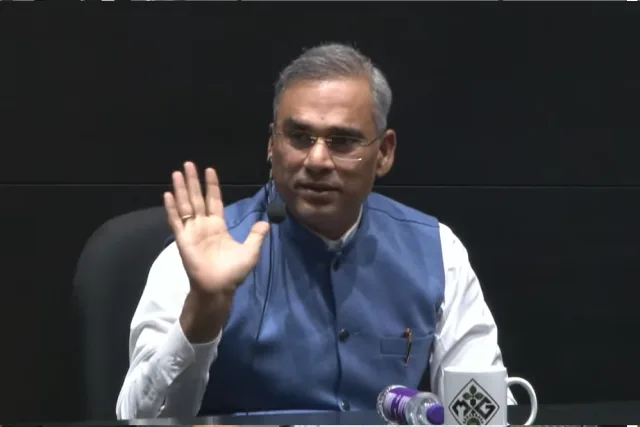
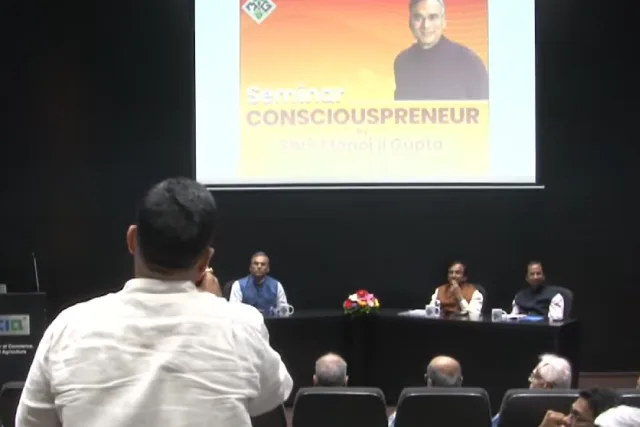
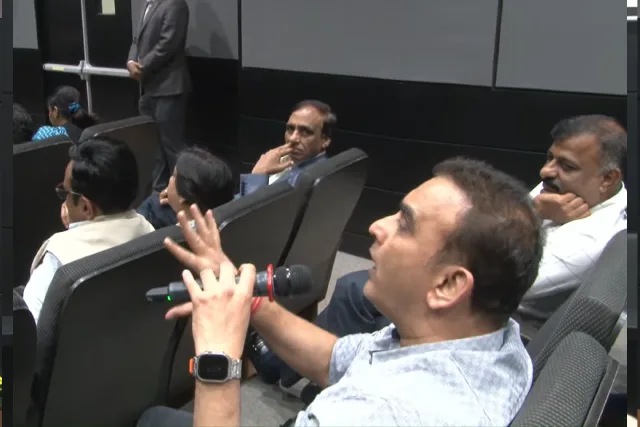
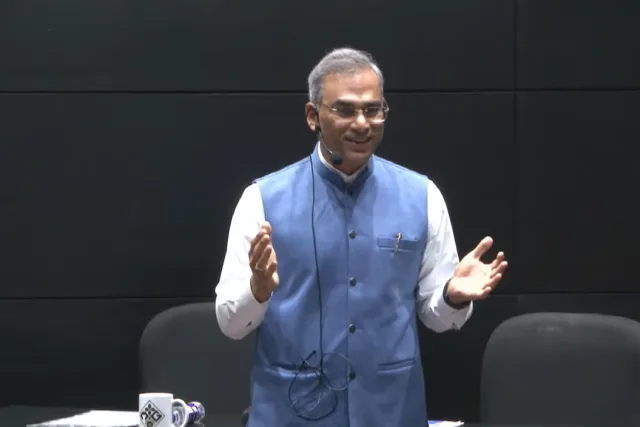
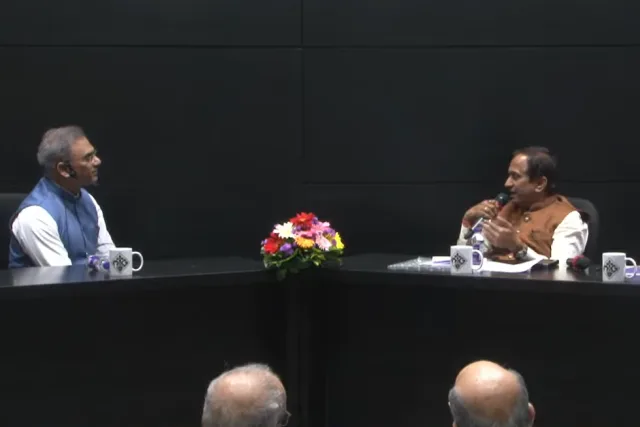
Audience Interaction
Manoj explained that a consciouspreneur balances purpose with practicality. It’s not about ignoring challenges — it’s about facing them with clarity, ethics, and long-term thinking.
He shared that money is a result; the mind is the driver. If the mind is chaotic, money is unstable. When the mind is clear, money grows with stability and direction.
Manoj said retention is not built on salary alone but on alignment, purpose, and culture. When people feel seen, valued, and growing, they naturally stay longer.
He emphasized that unethical shortcuts give short-term wins but long-term loss. Conscious businesses build trust capital, which compounds far more than temporary tactics.
He explained that pressure is not from the market but from lack of inner clarity. When your purpose, process, and priorities are aligned, pressure becomes manageable.
Purpose does not reduce speed. It removes waste — emotional waste, decision waste, and effort waste — making growth faster and more organized.
Ancient wisdom teaches inner stability. Modern leadership needs exactly that — focus, emotional balance, and long-term clarity to handle rapid external changes.
Manoj said motivation cannot be forced. A leader must create systems, clarity, and direction so people naturally rise instead of being pushed.
Use the ‘Awareness → Analysis → Action’ framework. First stabilize the mind, then see facts clearly, and finally take small irreversible steps.
He said ethics is not a favour to others — it is a strategic asset. Trust, brand, and reputation multiply far more than quick gains.
Young people need clarity, not control. Offer them direction, frameworks, and purpose. They grow faster when trusted.
Fear reduces creativity. Manoj recommended shifting from competitor-focused thinking to value-focused thinking. Build what competitors cannot copy: mindset and culture.
He said spirituality is not ritual — it is clarity. A clear mind takes better decisions, manages people better, and reduces emotional leakage.
Short-term results matter, but systems create long-term compounding. Conscious leaders invest in systems, people alignment, and process quality.
By raising the thinking quality of your team. When you teach awareness, clarity, and responsibility, every member becomes a source of leadership.